


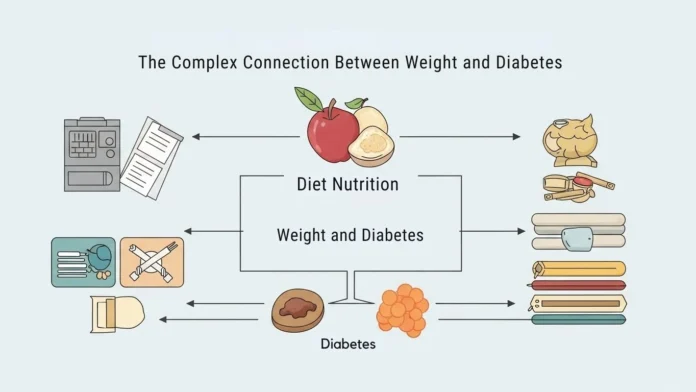
Diabetes and weight management are topics that frequently appear in health discussions, and for good reason the link between the two is undeniable. While the relationship might seem straightforward at first glance being overweight increases diabetes risk the underlying mechanisms are incredibly intricate. Understanding this complexity is key to effective prevention and management strategies.
The Two Way Street How Weight Affects Diabetes
Being overweight, particularly with excess visceral fat around the abdomen, is one of the most significant risk factors for developing type 2 diabetes. The primary reason involves a hormone called insulin.
Insulin Resistance The Core Mechanism
Insulin is a hormone produced by the pancreas that acts like a key, allowing glucose (sugar) from your bloodstream to enter your cells, where it is used for energy.
In individuals with excess adipose tissue (body fat), cells become less responsive to insulin’s signal. This condition is known as insulin resistance. To compensate, the pancreas initially produces more and more insulin to keep blood sugar levels in check. However, over time, the pancreas cannot keep up with the demand, leading to elevated blood glucose levels and eventually a diagnosis of type 2 diabetes.
Inflammation and Hormonal Changes
Adipose tissue is not just a passive storage depot; it is a metabolically active organ. Excess fat cells release inflammatory markers called cytokines that disrupt normal glucose metabolism and increase insulin resistance.
The Other Side How Diabetes Affects Weight
The connection is not just one-sided. Once a person has diabetes, the condition itself and its treatments can influence body weight.
The Role of Insulin Therapy:
For many people with both type 1 and type 2 diabetes, insulin therapy is a life-saving necessity. However, a common side effect of insulin treatment is weight gain. Insulin is a storage hormone; it facilitates the uptake of glucose into cells for energy and encourages the storage of excess energy as fat.
Managing Hyperglycemia:
Conversely, untreated or poorly managed high blood sugar (hyperglycemia) can paradoxically lead to weight loss in some people with diabetes. When the body cannot utilize glucose properly, it begins breaking down muscle and fat for energy, leading to unintentional weight loss despite adequate calorie intake.
Summary of the Weight-Diabetes Link:
The following table summarizes the bidirectional effects of weight on diabetes risk and management:
| Condition/Factor | Impact on the Other Condition | Key Mechanisms/Outcomes |
|---|---|---|
| Excess Body Weight | Increased Diabetes Risk | |
| Increased Insulin Resistance | Cells become less responsive to insulin, requiring the pancreas to work harder. | |
| Chronic Inflammation | Adipose tissue releases inflammatory markers (cytokines) that impair glucose metabolism. | |
| Higher BMI Correlation | The risk of type 2 diabetes increases linearly with BMI, particularly abdominal fat. | |
| Diabetes (and Treatments) | Impact on Body Weight | |
| Weight Gain (Common with treatment) | Insulin therapy is a storage hormone that can lead to weight gain if not managed properly. | |
| Unintentional Weight Loss | Poorly controlled hyperglycemia can cause the body to break down fat and muscle for energy. | |
| Impaired Weight Reduction | The presence of diabetes itself can make intentional weight loss efforts more challenging. |
Breaking the Cycle Prevention and Management Strategies
Understanding the complex relationship empowers individuals to make proactive choices.
- Balanced Nutrition: Focus on a diet rich in whole foods, fiber, lean proteins, and healthy fats while limiting processed sugars and refined carbohydrates.
- Regular Exercise: Physical activity increases insulin sensitivity, helping your cells use glucose more effectively and aiding in weight management.
- Consistent Monitoring: Working closely with a healthcare team is vital for monitoring blood sugar levels, adjusting medications as needed, and creating a personalized plan.
Losing even a modest amount of weight around 5% to 7% of initial body weight can significantly reduce the risk of developing type 2 diabetes or dramatically improve blood sugar control for those already diagnosed.
Conclusion
The connection between weight and diabetes is a prime example of the intricate nature of human metabolism. While managing weight can be challenging, it remains one of the most effective tools for preventing and managing this chronic condition.
You can learn more about effective diabetes prevention and management strategies from authoritative sources like the CDC Diabetes Prevention Program or the National Institute of Diabetes and Digestive and Kidney Diseases (NIDDK).