



Mold toxicity is a hidden health threat that often goes unnoticed until it’s too late. Lurking behind walls, under floors, or in damp corners, toxic mold can quietly release harmful spores and mycotoxins into your environment. Over time, exposure can lead to a wide range of symptoms from chronic fatigue and brain fog to respiratory issues and immune dysfunction. Understanding how to identify, eliminate, and recover from mold exposure is essential for protecting both your health and your home.
What Causes Mold Toxicity
Based on the provided text and additional search results, the most common sources of toxic mold exposure include:
- Water-damaged buildings: Mold thrives in damp or water damaged environments caused by issues like leaky pipes, roof leaks, poor ventilation, and flooding.
- Contaminated food: Mold can grow on a variety of food products, both before and after harvest, such as cereals, dried fruits, nuts, and spices.
- Indoor air and dust: Mold spores and mycotoxins can become airborne and be inhaled in buildings with significant mold growth.
- Occupational environments: People in jobs like farming, logging, carpentry, and winemaking may have a higher risk of exposure to mold.
General Health Symptoms:
- Fatigue
- Headaches
- Lightheadedness
- Nausea
- Vomiting
- Diarrhea
- Fever
- Cold hands and feet
- Muscle aches
- Joint pain
Respiratory Symptoms:
- Cough
- Sore throat
- Shortness of breath
- Sinus congestion
- Asthma or asthma-like symptoms
Neurological Symptoms:
- Difficulty concentrating and focusing
- Memory issues
- Mood issues (irritability, anxiety, depression)
- Tremors
- Poor balance
- Vertigo
Skin Issues:
- Rashes
- Hives
- Itching
- Red eyes
Because the symptoms are vague and common to other conditions, diagnosing mold toxicity can be challenging. People exposed to mold often develop symptoms over time that tend to linger even when not in the contaminated environment. Testing for mycotoxins in the urine can help confirm a diagnosis.
Dangers and Complications
Though some people have no reaction when exposed to mold, those susceptible can develop severe illnesses and dangerous complications:
Weakened Immune System:
The toxins from mold over time can damage and suppress the immune system by reducing white blood cell counts and interfering with normal immune functioning. With lower white blood cells, the body cannot effectively fight off infections and illnesses as it normally would. The mycotoxins specifically target lymphocytes, neutrophils and important immune signaling proteins, dismantling immune defenses. This leads to prolonged illnesses, chronic infections, slower recovery and vulnerability to other mental health issues without proper treatment. Basically, mold toxicity overtime gradually breaks down immune protections through multiple mechanisms, paving the way for secondary infections and disease. Supporting immune health is a key part of recovering from this complicated illness.
Lung Bleeding:
Certain toxic molds like Stachybotrys can induce pulmonary hemorrhaging, a dangerous condition where the fragile blood vessels in the lungs begin to bleed. This fills the lung’s air sacs with fluid, preventing oxygen absorption. Symptoms include a sudden onset of cough with bloody sputum, shortness of breath and very low oxygen levels. It is a medical emergency requiring urgent treatment to prevent respiratory failure and death. Prompt action is critical with this rare but extremely serious complication of mold toxicity.
Memory Loss:
The mycotoxins from mold exposure can impact neurological pathways and brain function over time, resulting in measurable memory deficits. Specifically, mold toxicity patients often exhibit poor short term memory and working memory, concentration difficulties and problems with recall and word finding. The toxins seem to disrupt neurons in the hippocampus and frontal lobe regions that support these cognitive processes. If exposure continues, the damage may become permanent through destruction of these delicate neural networks.
Cancer:
Some types of mold toxins are classified as carcinogens. Long term exposure has been linked to a higher risk of certain cancers like lung, colorectal, kidney and bladder cancer according to some studies. The toxins suppress the immune system which also increases vulnerability.
Reproductive Issues:
Male fertility issues have been associated with mycotoxin exposure. There is also some evidence linking mold toxicity during pregnancy to low birth weight and birth defects. More research is still needed in this area.
Clearly recognizing and treating mold toxicity is critical for both avoiding these dangerous complications and relieving uncomfortable symptoms.
Testing for Mold Toxicity
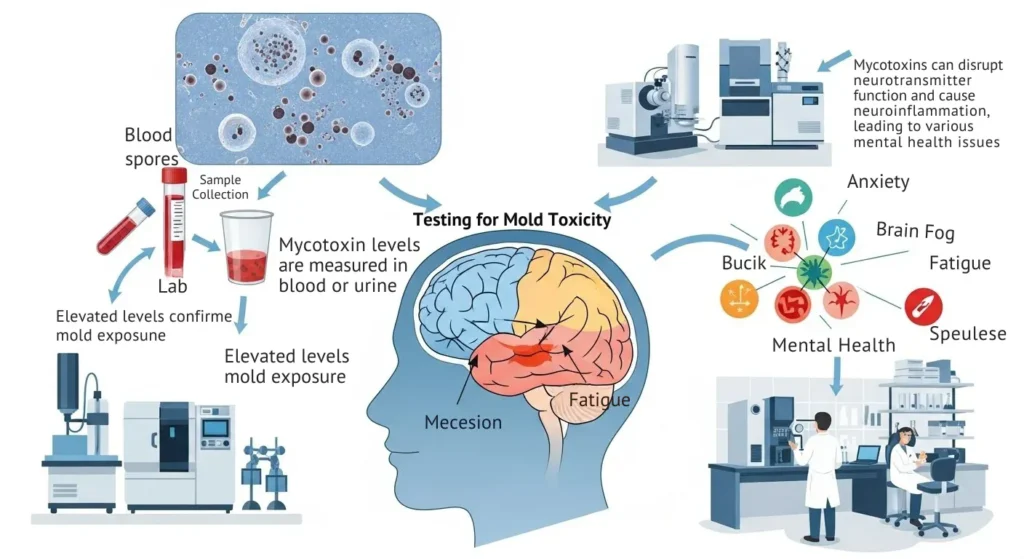
Since mold toxicity can be difficult to diagnose based on symptoms alone, specialized lab tests measure mycotoxin levels to confirm exposure:
Urinary Mycotoxin Testing:
Urinary mycotoxin testing analyzes a urine sample to detect the presence of mycotoxin byproducts that get excreted through the kidneys. As the body processes environmental mycotoxins, the liver transforms them into various metabolites that make their way into urine. Finding these toxins or their metabolites confirms current exposure and active ingestion of mold toxins that the body is struggling to clear. It provides direct evidence that a person has an elevated internal mycotoxin burden from chronic exposure.
Blood Mycotoxin Testing:
A blood sample can be analyzed to detect antibodies produced by the immune system against mycotoxins circulating in the bloodstream. When mold exposure occurs, the body mounts an immune response and starts creating antibodies to mark the foreign mycotoxin substances for removal. Finding elevated levels of these antibodies indicates the person’s body is actively fighting against mold toxin exposure through the blood. It provides confirmation that the individual has frequent contact with mycotoxins internally.
Organic Acids Test:
The organic acids test looks for abnormalities in the metabolic processes within cells by measuring levels of key organic acids involved in energy production pathways. Since mycotoxins disrupt cellular function, this test picks up on issues caused by mold exposure. It includes markers for a few specific mycotoxins as well direct indications of mitochondrial dysfunction often seen in those suffering from chronic mold toxicity.
Your doctor may also test blood cell counts, liver enzyme levels, vitals and use imaging scans to assess any internal damage caused by mycotoxins.
How is Mold Toxicity Treated
Treatment starts with removing the person from the moldy environment and eliminating all exposure sources to prevent further toxin intake and health decline.
Further medical treatment involves:
Medications:
Medications that boost the immune system and protect the organs may be prescribed, including glutathione, antifungals and mold toxin binders. These help detoxify mold byproducts while also reducing the body’s reaction to exposure.
Oxygen Therapy:
Hyperbaric oxygen treatment or ozone steam saunas/insufflation can accelerate the cleansing of mold toxins by saturating tissues with extra oxygen under pressure. This mobilizes toxins for better elimination from the body.
Dietary Changes:
An anti-inflammatory diet free of sugar, grains, certain fats and alcohol supports healing by preventing spikes in blood sugar and reducing inflammation. Nutrient dense foods aid in cellular repair and detox processes.:
Lifestyle Adjustments:
Stress reduction, adequate sleep, exercise and time outdoors allows your body to direct maximum energy towards detoxification and recovery. Proper rest gives the adrenals and immune system a break from responding to the toxins and infections.
With extended treatment, most of the symptoms of mold toxicity gradually abate over weeks and months as the body clears the mycotoxin buildup and recovers normal function. However, permanent damage is possible if there is extensive exposure without proper treatment.
Detecting and addressing chronic mold toxicity early on provides the best chance of recovery without lasting effects. Consult a doctor if mold toxicity is suspected so appropriate testing and treatment can begin immediately.
Preventing Mold Toxicity
Since mold toxicity develops after continuous exposure over time, prevention lies in limiting contact with mold and promptly fixing any moisture issues:
Regular Home Inspections:
Check all areas in your home for water leaks, condensation or mold growth regularly. Attics, basements, showers, windows and air cooling units commonly harbor mold. Stop all water intrusion immediately and remediate any growth found.
Use Air Purifiers:
High quality HEPA air purifiers for your home remove mold spores and mycotoxins floating in the air so you do not breathe them in. This minimizes daily exposure.
Be Wary After Floods:
If your home suffers any level of flooding, assume mold will grow in the damp conditions. Follow Centers for Disease Control and Prevention (CDC) guidelines to clean, dry out the property and wear respirators to avoid inhaling spores during remediation. The structure may require rebuilding to prevent future mold issues.
Check Food Quality:
Inspect grains, nuts, coffee and spices for any visible mold or moisture. Shop at stores with high product turnover and store these foods properly sealed in a cool, dark space to prevent mold growth.
Through vigilance and proactive prevention habits, you can minimize everyday exposure to mold and lower risks of developing a toxicity issue.
Conclusion
If you experience persistent or severe symptoms that you suspect are related to mold, consult a healthcare professional. If conventional doctors are unable to provide a satisfactory diagnosis, consider seeking a physician trained in environmental or functional medicine.

