



Maximizing your health starts with prioritizing good sleep habits, which are as vital to well-being as diet and exercise. Consistent, quality sleep plays a crucial role in cognitive function, emotional regulation, physical restoration, and disease prevention.
What is Health with Good Sleep Habits
Maximizing your health with good sleep habits involves following a set of practices, often called sleep hygiene, that ensure you get enough quality, uninterrupted sleep on a regular schedule. This is crucial for overall well-being and is as vital as diet and exercise.
Why Prioritize Sleep
- Physical Health: Sleep allows your body to repair cells, build muscle, and fight off infections. Chronic sleep deficiency is linked to a higher risk of heart disease, diabetes, and obesity.
- Mental & Emotional Well-being: Adequate sleep is essential for mood stability and resilience to stress. Lack of sleep often exacerbates anxiety and depression.
- Cognitive Function: Sleep is critical for memory consolidation, problem-solving, and concentration. Getting enough rest improves alertness and performance during the day.
Key Habits for Better Sleep
Implement these practical, evidence-based strategies to improve the quality and duration of your sleep:
- Stick to a Schedule: Maintain a consistent sleep-wake cycle every day, even on weekends. Going to bed and waking up at the same time reinforces your body’s natural circadian rhythm.
- Create a Restful Environment: Optimize your bedroom for sleep. Ensure it is cool, dark, and quiet. Consider using blackout curtains, earplugs, a fan, or other tools to minimize light and noise disturbances.
- Establish a Relaxing Bedtime Routine: Wind down before bed with calming activities. This could include reading a book, listening to soothing music, taking a warm bath, or practicing mindfulness or meditation.
- Limit Screen Time Before Bed: The blue light emitted by phones, tablets, and computers can interfere with the production of melatonin, the hormone that regulates sleep. Aim to power down electronic devices at least an hour before sleep.
- Be Mindful of Diet: Avoid heavy meals, caffeine, and alcohol close to bedtime, as they can disrupt your sleep patterns. A light, healthy snack is fine if you’re hungry.
- Get Regular Physical Activity: Exercise can improve sleep quality and duration, but try to finish intense workouts at least a few hours before bedtime so your body has time to cool down.
- Manage Light Exposure: Maximize your exposure to bright, natural light during the day to support a healthy circadian rhythm. In the evening, dim the lights in your home.
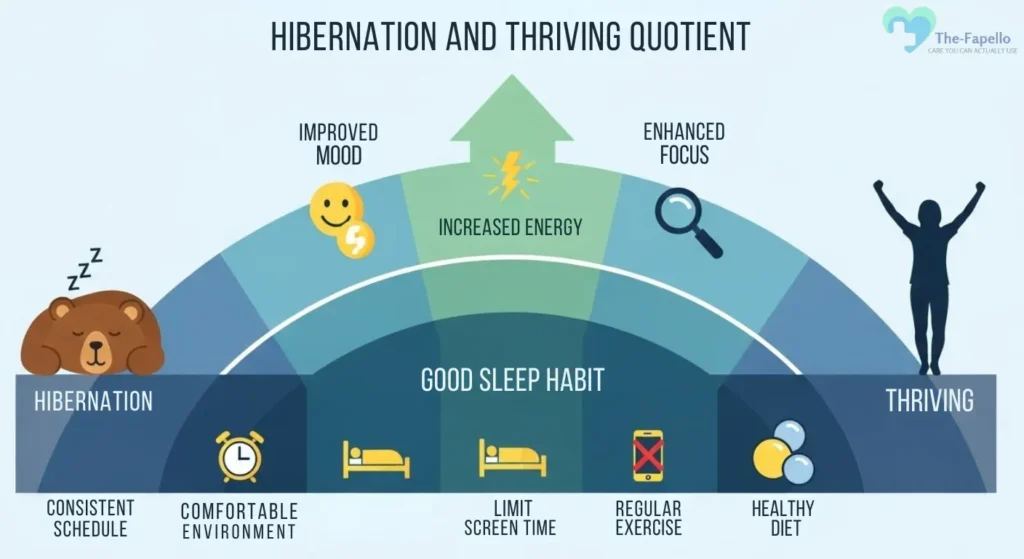
Hibernation and Thriving Quotient
The scholars asserted that they observed a remarkable association between sleep quality and all five dimensions of life quality, except work-related stress.
Put differently, a sound and satisfying sleep at night can enhance an individual’s contentment, well-being, felicity and subjective health.
Moreover, the experts pointed out that neither the length of sleep nor social jet lag substantially influenced the quality of life during the study’s duration.
Nevertheless, the authors acknowledged that factors leading to social jet lag, such as switching to a job with entirely different schedules, are uncommon incidents and the study’s three-year period may not be extensive enough to deduce the effects of shortened sleep duration and social jet lag.
Additionally, the researchers highlighted that the COVID-19 pandemic might have exerted an indeterminate influence on the ultimate phase of data collection.
Importance of Sleep for Health and Happiness
Sleep is essential for both physical and mental health. During sleep, our bodies repair and rejuvenate and our brains process and consolidate information from the day.
- Impaired cognitive function and memory recall
- Reduced immune function
- Increased risk of chronic conditions like diabetes, heart disease and obesity
- Mood disorders like anxiety and depression
- Higher rates of accidents and injuries
| Category | Recommended Habits | Rationale |
|---|
| Schedule | • Go to bed and wake up at the same time every day, including weekends. • Get 7–8 hours of sleep per night. • Avoid napping late in the afternoon or evening; keep naps short (under 30 minutes) if needed. | A consistent schedule reinforces your circadian rhythm, making it easier to fall asleep and wake up feeling refreshed. |
| Environment | • Keep your bedroom dark, quiet, and cool (ideal: 60–67°F / 15–19°C). • Use your bed only for sleep and sex to build a mental association with rest. • Ensure a comfortable mattress and supportive pillows. | A restful environment minimizes disturbances and cues your body that it’s time to sleep. |
| Daytime Habits | • Get regular physical activity, but avoid strenuous exercise a few hours before bed. • Maximize natural sunlight exposure during the day. | Exercise improves sleep quality, and daylight regulates your sleep–wake cycle. |
| Pre-Sleep Routine | • Turn off electronics 30–60 minutes before bed. • Establish a calming ritual (reading, soft music, warm bath/shower). | Calming activities help cool your body and quiet your mind, supporting melatonin production. |
| Dietary Choices | • Avoid caffeine, nicotine, and alcohol in the afternoon or evening (caffeine effects can last 6–8 hours). • Avoid large meals close to bedtime; a light snack is fine. | These substances and heavy meals can disrupt digestion and sleep quality. |
Insights from Professionals
After reviewing the study’s examination of sleep quality, several professionals in the field have shared valuable insights regarding the findings. One of the key takeaways from the study is the significant impact of sleep quality on various aspects of our lives, including physical and mental health, cognitive function and productivity.
According to Dr Sarah Jones, a sleep specialist and researcher, the study’s results provide further evidence of the need for individuals to prioritize their sleep and improve their sleep quality. We know that inadequate sleep can lead to various health problems, from obesity and diabetes to depression and anxiety. We can significantly improve our overall health and well-being by paying attention to our sleep habits and improving our sleep quality.
In addition, the study’s findings highlight the importance of developing healthy sleep habits and maintaining a consistent sleep schedule. “Our bodies thrive on routine and establishing a regular sleep schedule can help regulate our circadian rhythms and promote better sleep quality,” explains Dr John Smith, a neurologist and sleep medicine specialist.
Finally, the study’s results underscore the need for employers and policymakers to prioritize sleep health in the workplace. “Many individuals struggle with sleep due to job demands or work-related stress. And employers can play a critical role in promoting healthy sleep habits,” notes Dr Emily Chen, a public health expert. “This can include implementing policies that support flexible work schedules, providing sleep education and resources and creating a culture that values rest and recovery.”
Final Thought
Maximizing your health hinges significantly on prioritizing consistent, quality sleep. By adopting effective habits like maintaining a regular sleep schedule, creating a restful environment, and winding down before bed you empower your body’s natural restorative processes. Adequate sleep is not merely rest; it’s a fundamental pillar of wellness that enhances cognitive function, strengthens the immune system, and balances mood, serving as the essential foundation for a vibrant and healthy life.