


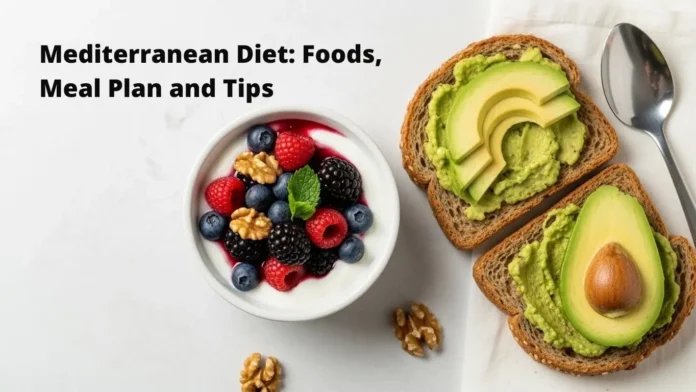
Recognized by organizations like the World Health Organization as one of the healthiest and most sustainable dietary patterns, the Mediterranean diet is more of a lifestyle than a restrictive meal plan. Based on the traditional eating habits of countries like Greece, Italy, and Spain, this approach emphasizes whole, plant-based foods and healthy fats.
What is Mediterranean Diet
The Mediterranean diet is a heart-healthy eating pattern based on the traditional cuisines and lifestyles of countries bordering the Mediterranean Sea, such as Greece, Italy, and Spain. Consistently ranked as the “Best Diet” in 2025 by U.S. News & World Report, it emphasizes whole, plant-based foods and healthy fats rather than strict calorie counting.
The diet is characterized by an overall pattern rather than rigid rules, focusing on:
- High Intake: Fruits, vegetables, whole grains, beans, nuts, seeds, and extra virgin olive oil (EVOO).
- Moderate Intake: Fish and seafood (at least twice a week), poultry, eggs, and dairy (mostly yogurt and natural cheeses).
- Limited Intake: Red meat, sweets, and highly processed or refined carbohydrates.
- Lifestyle Factors: Regular physical activity and sharing meals with others are foundational components.
Core Components What to Eat
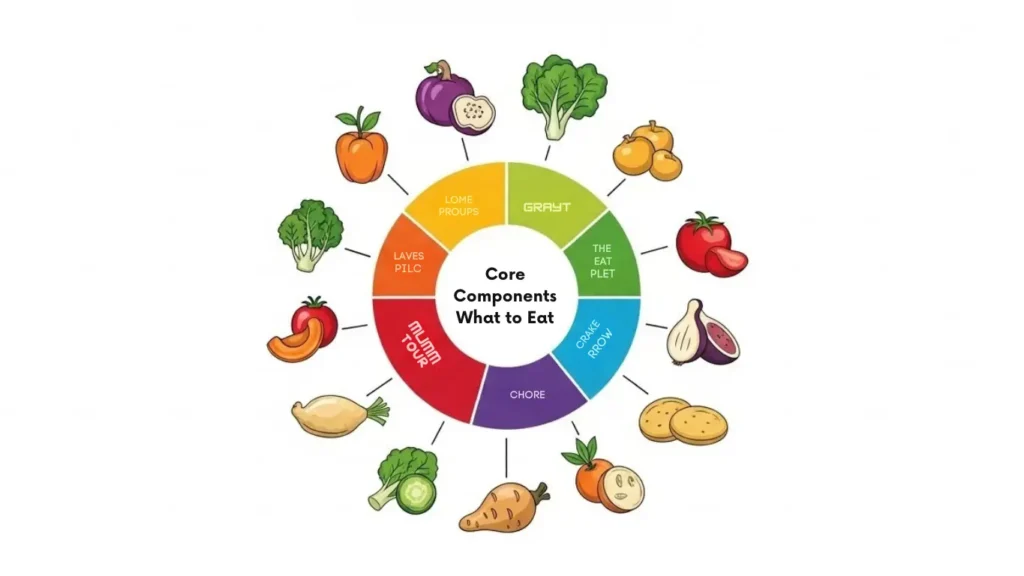
The Mediterranean diet focuses on the quality of ingredients rather than strict calorie counting.
- Eat Daily (The Foundation):
- Vegetables & Fruits: Aim for at least 5 servings of colorful vegetables and 2–3 servings of fruit every day.
- Whole Grains: Choose barley, buckwheat, brown rice, oats, and whole-wheat pasta.
- Healthy Fats: Use Extra Virgin Olive Oil (EVOO) as your primary fat source for its high antioxidant content.
- Legumes, Nuts & Seeds: Include beans, chickpeas, lentils, walnuts, and almonds daily for plant-based protein and fiber.
- Herbs & Spices: Use garlic, basil, rosemary, and oregano instead of salt to flavor meals.
- Eat Weekly:
- Fish & Seafood: At least twice a week, prioritizing fatty fish like salmon, mackerel, and sardines rich in omega-3s.
- Poultry, Eggs & Dairy: Enjoy moderate portions (e.g., Greek yogurt and natural cheeses) 1–2 times per week.
- Eat Sparingly:
- Red Meat: Limit to once a week or even once a month.
- Sweets & Processed Foods: Reserve for special occasions.
- Wine: Optional, but if consumed, limited to one glass per day for women and two for men, typically with meals.
7-Day Sample Meal Plan
This plan prioritizes fresh, seasonal ingredients for optimal nutrition.
| Day | Breakfast | Lunch | Dinner |
|---|---|---|---|
| Mon | Greek yogurt with berries and walnuts | Quinoa salad with chickpeas and feta | Grilled lemon chicken with couscous |
| Tue | Steel-cut oats with apples and flaxseeds | Salmon and sweet pepper wrap | Baked cod with roasted potatoes |
| Wed | Whole-grain toast with nut butter and fruit | Hearty minestrone soup | Mediterranean pasta with roasted veggies |
| Thu | Omelet with spinach, mushrooms, and EVOO | Lentil and tuna salad with lemon dressing | Greek-style chicken pita with tzatziki |
| Fri | Savory breakfast bowl with hummus and egg | Falafel bowl with tabbouleh and tahini | Crisp salmon salad with greens |
| Sat | Chia pudding with berries and almond butter | Whole wheat pasta with olives and arugula | Baked eggplant parmesan with green salad |
| Sun | Poached eggs on rye bread with avocado | White bean soup and a Greek salad | Seafood paella with mussels and shrimp |
Healthy Snacks: Handful of raw nuts, apple slices with peanut butter, or raw veggies with hummus.
Top Tips for Success
- Switch to Olive Oil: Replace butter and margarine with EVOO for both cooking and dressing salads.
- Go Meatless Regularly: Plan 2–3 meatless dinners per week focusing on legumes like lentils or beans.
- Choose Local & Seasonal: Whenever possible, buy produce from local farmers’ markets to ensure maximum flavor and nutrients.
- Embrace the Lifestyle: The Mediterranean way is not just about food; it includes staying physically active, sharing meals with others, and managing stress.
- Prep Ahead: Store pre-chopped veggies and cooked grains (like farro or quinoa) in airtight containers to make weeknight assembly easy.
Health Benefits
Recent research from 2026 continues to link this pattern to significant health improvements:
- Heart Health: Reduced risk of cardiovascular disease, stroke, and high blood pressure.
- Metabolic Health: Better blood sugar management and lower risk of type 2 diabetes.
- Brain Function: Slower cognitive decline and a potential reduction in the risk of Alzheimer’s and depression.
- Longevity: Increased life expectancy through lower inflammation and better weight management.
Disclaimer: Consult a healthcare provider or a Registered Dietitian before making major dietary changes, especially if you have existing health conditions like diabetes.