

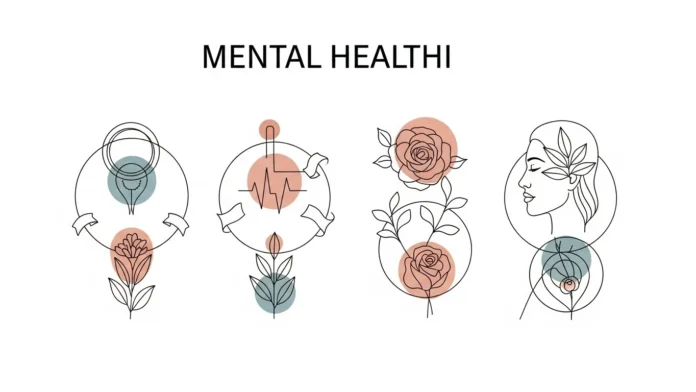
Mental health tattoos are more than skin-deep designs. They are quiet conversations, personal reminders, and sometimes loud declarations of survival. For many people, words fail when it comes to mental health, but symbols, lines, and images speak clearly. A small semicolon, a blooming flower, or a single word etched into the skin can carry years of pain, healing, and hope.
What is Mental Health Tattoos
Mental health tattoos carry meaning that often goes beyond visual beauty. These tattoos usually represent inner battles, personal growth, recovery, or remembrance. Unlike trendy tattoos, mental health tattoos are deeply personal and often chosen after long reflection.
For some people, the tattoo marks a moment when they decided to keep going. For others, it honors a loved one lost to mental illness. The meaning does not need to be obvious to strangers. What matters is the message it sends to the person wearing it. This private connection makes mental health tattoos powerful and lasting.
Why Mental Health Tattoos Matter in Today’s
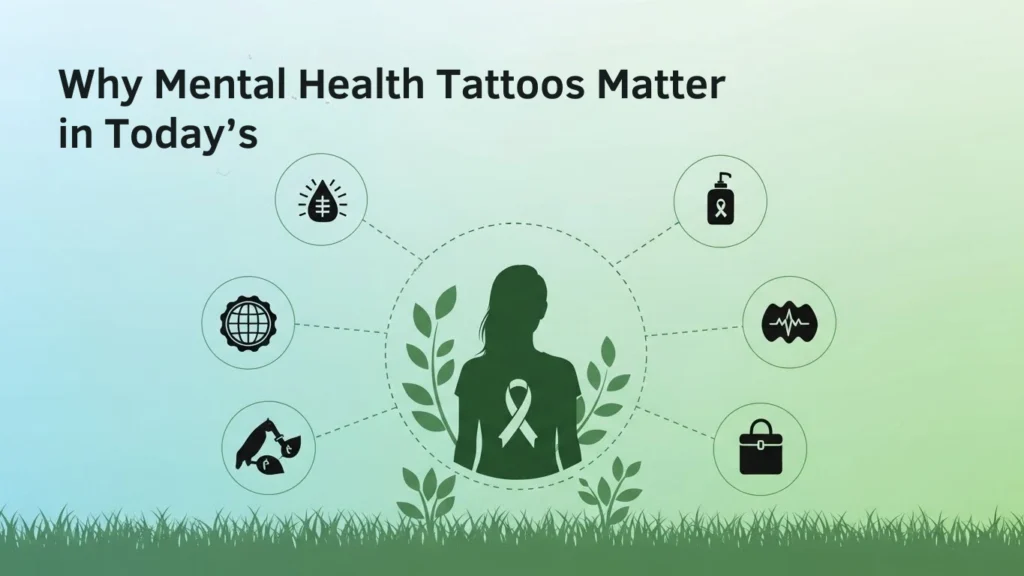
Mental health conversations have grown, but stigma still exists. Mental health tattoos help bridge silence. They turn invisible struggles into visible stories. When someone sees a tattoo and asks about it, a conversation begins. That conversation can save someone from feeling alone.
These tattoos also act as daily reminders. On hard days, a glance at the tattoo can remind someone why they stayed, fought, or healed. In a world full of noise, a simple symbol can ground the mind and steady the heart.
Popular Mental Health Tattoo Symbols
Mental health tattoos often use symbols because symbols feel safer than long explanations. One of the most well-known symbols is the semicolon, which represents choosing to continue when life feels overwhelming. It started as a movement and became a sign of survival and hope.
The lotus flower often appears in mental health tattoos because it grows in muddy water yet blooms beautifully. It symbolizes rising above pain. Butterflies represent transformation and healing, while anchors symbolize stability during emotional storms. Words like “breathe,” “still here,” or “hope” are also common and carry strong emotional weight.
Mental Health Tattoos Inspired
Many mental health tattoos come from deeply personal experiences. Some people get tattoos after therapy breakthroughs, hospital recovery, or overcoming dark periods. Others design tattoos based on journal entries, poems, or phrases their therapist once said.
These tattoos are not about showing strength to others. They are about honoring vulnerability. Personal story-based tattoos often feel timeless because they are rooted in lived experience, not trends.
The Role of Mental Health Tattoos
While tattoos are not therapy, they can support healing. The act of choosing a design, sitting through the pain, and seeing the final result can feel empowering. It gives people control over their bodies when mental illness once took control of their minds.
For some, the tattoo becomes a grounding tool. Touching it during anxiety or looking at it during low moments can help regulate emotions. This emotional connection is something rarely discussed in competitor content, yet it plays a huge role in why people choose mental health tattoos.
Mental Health Awareness and Tattoo
Mental health tattoos have helped normalize conversations around depression, anxiety, PTSD, and trauma. Social media has amplified this impact, allowing people to share stories behind their ink. This visibility reduces shame and helps others feel seen.
Tattoo artists have also become more mindful. Many artists now create safe spaces for clients sharing mental health stories. This shift shows how tattoo culture has grown beyond aesthetics into empathy and understanding.
Choosing the Right Mental Health Tattoo for You
Choosing a mental health tattoo should feel calm, not rushed. Emotional timing matters. Getting a tattoo during intense distress may lead to regret later. Many therapists suggest waiting until emotions settle so the tattoo reflects healing, not just pain.
Placement also matters. Some people choose visible areas to spark conversations. Others prefer private spots for personal reflection. There is no right or wrong choice, only what feels safe and meaningful to you.
Common Misunderstandings About Mental Health Tattoos
Some people assume mental health tattoos are attention-seeking. This idea is outdated and harmful. Most people get these tattoos for themselves, not for validation. Another misunderstanding is that you must have a diagnosis to get one. Mental health struggles exist on a spectrum, and everyone’s experience is valid.
Mental health tattoos are not about proving pain. They are about honoring survival, growth, and self-compassion.
FAQs
Are mental health tattoos only for people with diagnosed conditions?
No. Mental health tattoos are for anyone who has struggled emotionally or wants to honor their mental health journey.
Can a mental health tattoo really help emotionally?
Yes, for many people it acts as a reminder, grounding tool, and symbol of strength.
Is it okay to keep the meaning private?
Absolutely. The meaning belongs to you, not the world.
What if my feelings change later?
Growth is natural. Tattoos can represent a chapter, not a lifetime identity.
Final Thoughts
Mental health tattoos are not about perfection or bravery. They are about honesty. They remind us that healing is not linear and that surviving itself is meaningful. Whether small or bold, visible or hidden, these tattoos carry stories that deserve respect.