


In an era dominated by quick fixes and specialized medications, many individuals are seeking a healthcare philosophy that views the body as a whole system, capable of self-healing with the right support. This philosophy is naturopathy, a distinct primary healthcare system that blends modern scientific knowledge with traditional, natural forms of medicine.
Naturopathy emphasizes prevention, treatment, and optimal health through the use of therapeutic methods and substances that encourage the person’s inherent self-healing process. The approach is holistic, meaning it considers all aspects of a person’s being mind, body, and spirit in the pursuit of health and vitality.
Rooted in 19th-century European traditions and further developed in the United States, naturopathy has gained popularity worldwide, with an estimated 729,000 adults and 237,000 children in the U.S. using it in 2007 alone. Today, it’s practiced in countries like Canada, Germany, Australia, and New Zealand, offering a patient-centered alternative or complement to conventional care.
Is Naturopathy Good for Health?
It can be good for health for some individuals, depending on their specific health needs and conditions. Naturopathic therapies can support the body’s natural healing processes and promote overall health and wellness. By focusing on lifestyle modifications, nutrition, and natural remedies, naturopathy empowers people to take control of their well-being, often leading to sustainable improvements in energy levels, stress management, and chronic condition control.
Research on whole-system naturopathic medicine—a multi-modality approach combining various therapies—shows promising results. For instance, studies indicate it’s effective for managing cardiovascular disease, musculoskeletal pain, and type 2 diabetes, with patients experiencing better outcomes in pain reduction and quality of life compared to standard care. Specific therapies like herbal medicine have shown benefits for anxiety, while acupuncture can alleviate chronic pain.
However, the overall scientific evidence supporting naturopathy is still limited, and more rigorous research is needed to fully understand its benefits and risks. It’s crucial to note that naturopathy should not be used as a substitute for conventional medical care, especially for acute emergencies, infections, or serious conditions like cancer that require drugs, surgery, or other interventions. Potential risks include interactions between herbal remedies and prescription medications, side effects from supplements, or delays in seeking timely conventional treatment.
If you’re considering naturopathy as part of your healthcare regimen, consult a qualified naturopathic doctor (ND) who can assess your individual needs and provide personalized recommendations. Always inform your primary care physician about any naturopathic treatments, as coordination ensures safety and efficacy.
The Foundational Principles of Naturopathic Medicine

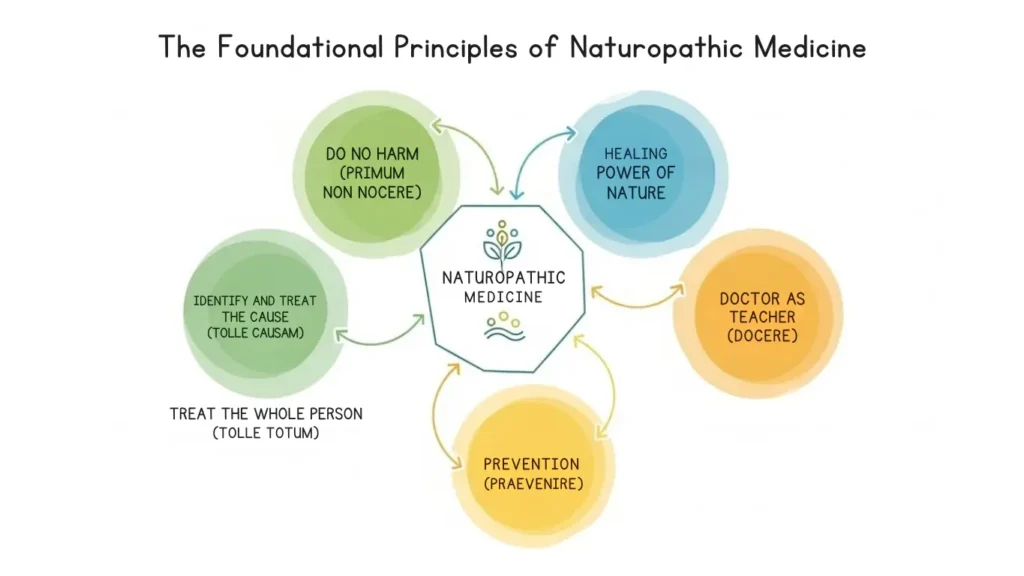
The practice of naturopathy is built upon six core principles that guide practitioners in their approach to patient care. These timeless tenets, derived from ancient healing wisdom and aligned with modern evidence-based practices, form the bedrock of naturopathic philosophy.
- The Healing Power of Nature (Vis Medicatrix Naturae): Naturopathic medicine recognizes an inherent self-healing process in the body. Practitioners work to identify and remove obstacles to this healing process—such as poor diet or chronic stress—and facilitate recovery through natural means. As one key text notes, “A central belief in naturopathy is that nature has a healing power… Practitioners view their role as supporting the body’s ability to maintain and restore health.”
- Identify and Treat the Causes (Tolle Causam): Rather than simply suppressing symptoms, naturopathic doctors (NDs) seek to identify and treat the underlying causes of illness, whether they are physical, mental, or emotional. This root-cause focus prevents recurrence and promotes long-term vitality.
- First Do No Harm (Primum Non Nocere): NDs prioritize the use of methods and medicinal substances that minimize the risk of harmful side effects. They use the least force necessary to diagnose and treat, respecting the body’s natural processes and opting for noninvasive therapies whenever possible.
- Doctor as Teacher (Docere): A key role of the naturopathic physician is to educate patients and encourage self-responsibility for health. The goal is to empower individuals to make informed choices that support their well-being, fostering a partnership in care.
- Treat the Whole Person: Naturopathy considers the unique physical, mental, emotional, genetic, environmental, and social factors that contribute to a person’s health. As emphasized in foundational texts, “Consider all factors (e.g., physical, mental, emotional, spiritual, genetic, environmental, social) when tailoring treatment to each patient.” Treatment plans are highly individualized.
- Prevention: The ultimate goal of naturopathic medicine is prevention. Practitioners assess risk factors and hereditary susceptibility to disease and make appropriate interventions to help prevent illness. “Assess risk factors and, in partnership with patients, make appropriate interventions to prevent illness,” highlights the proactive stance.
These principles ensure naturopathy remains a gentle, empowering, and comprehensive system of care.
What Naturopathic Practitioners Do
Naturopathic doctors are trained primary care providers who complete rigorous education, including four-year doctoral programs accredited by bodies like the Council on Naturopathic Medical Education. They blend diagnostic skills with natural therapies to address a wide range of health concerns. Here’s what you can expect:
- Conduct a Comprehensive Health Assessment: NDs evaluate your overall health, including medical history, lifestyle, diet, and current concerns. They may order lab tests, imaging, or physical exams to form a complete picture.
- Develop a Personalized Treatment Plan: Based on the assessment, they’ll create a tailored plan aligned with your goals. This might include dietary changes, nutritional supplements, herbal remedies, acupuncture, hydrotherapy, or exercise regimens.
- Provide Education and Counseling: NDs act as teachers, offering guidance on stress management, sleep hygiene, and lifestyle factors. Sessions often include practical tips to build healthy habits.
- Monitor Progress: Regular follow-ups allow adjustments to the plan, ensuring you’re on track toward optimal health.
- Work with Other Healthcare Professionals: NDs collaborate with MDs, specialists, and therapists for integrated care. In some states, they can even prescribe medications or perform minor procedures.
Whether treating allergies, digestive issues, or hormonal imbalances, NDs focus on stimulating your body’s innate healing abilities.
The Benefits of a Holistic Approach
The holistic nature of naturopathy offers several potential benefits. By focusing on the root cause and treating the whole person, it can be effective for managing a wide range of health concerns, including chronic conditions like digestive issues, fatigue, pain, and stress-related ailments. Evidence from clinical studies supports this: Naturopathic care has been shown to be more cost-effective than standard physiotherapy for chronic low-back pain, with greater improvements in pain and function. It also enhances quality of life for conditions like multiple sclerosis and temporomandibular disorders.
Beyond symptom relief, naturopathy promotes empowerment through education and prevention, helping individuals adopt habits that prevent future illness. Patients often report increased energy, better sleep, and reduced reliance on medications. Its noninvasive methods carry low risk when guided by professionals, making it a safe complement to conventional treatments.
While not a panacea, naturopathy’s emphasis on whole-person care addresses gaps in modern medicine, where fragmented specialist visits can overlook lifestyle and emotional factors.
Common Therapies in Naturopathy
To give a fuller picture, naturopathic treatments draw from a diverse toolkit:
- Nutrition and Supplements: Personalized diets rich in whole foods, plus vitamins and minerals to address deficiencies.
- Herbal Medicine: Plant-based remedies for inflammation, digestion, or immune support.
- Acupuncture and Physical Therapies: For pain relief and mobility.
- Hydrotherapy and Lifestyle Counseling: Water-based treatments and habit-building for stress and detoxification.
These are selected based on evidence and individual needs, always prioritizing safety.
Conclusion
Naturopathy is not a replacement for conventional emergency medicine or acute care, but it works effectively alongside it, offering a complementary path to health. For those seeking a patient-centered approach that honors the body’s innate healing wisdom, naturopathy presents a compelling, holistic option for modern healthcare.