


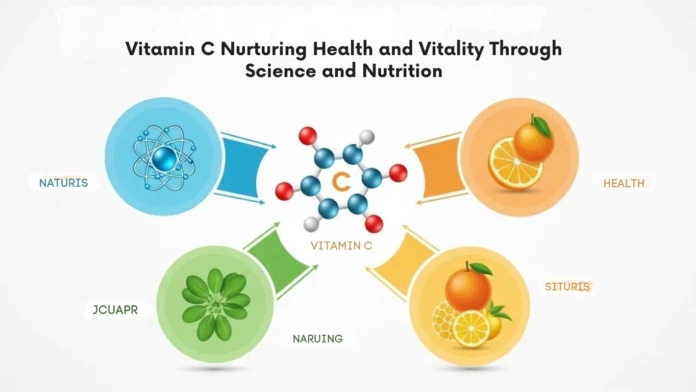
Vitamin C, also known as ascorbic acid, is a powerful water-soluble vitamin essential for numerous bodily functions. Unlike most mammals, humans cannot synthesize this vital nutrient endogenously, making it a critical component of our daily diet.
From bolstering the immune system to synthesizing collagen, vitamin C plays an indispensable role in maintaining overall physical health and vitality. This article explores the science behind this potent nutrient and how you can effectively incorporate it into your nutrition regimen.
The Science of Ascorbic Acid
Vitamin C’s benefits stem primarily from its potent antioxidant properties and its function as a necessary cofactor for various enzymatic reactions.
A Master Antioxidant
Free radicals are unstable molecules that can cause oxidative stress, a process linked to chronic diseases like heart disease, cancer, and arthritis . As a powerful antioxidant, vitamin C neutralizes these harmful free radicals, protecting cells from damage and reducing inflammation. This protective action is crucial for anti-aging processes and disease prevention.
The Foundation of Structure Collagen Synthesis
Perhaps vitamin C’s most famous role is its necessity in the production of collagen, the most abundant protein in the human body. Collagen is the main structural component of connective tissues, including skin, tendons, ligaments, and blood vessels. Without adequate vitamin C, the body cannot form strong, stable collagen fibers. Severe deficiency leads to scurvy, a historical disease characterized by weakened connective tissue, bleeding gums, and poor wound healing.
Immune System Support
While vitamin C may not be a cure-all for the common cold, its role in immune function is well-documented. It supports the function of various immune cells and enhances the body’s ability to fight off pathogens. It also helps speed up the wound-healing process.
Enhancing Nutrient Absorption
A lesser-known but vital function of vitamin C is its ability to significantly enhance the absorption of non-heme iron (iron from plant-based sources) in the digestive tract. For individuals on plant-based diets, consuming a source of vitamin C alongside iron-rich foods is key to preventing iron deficiency.
Nutritional Sources and Optimal Intake
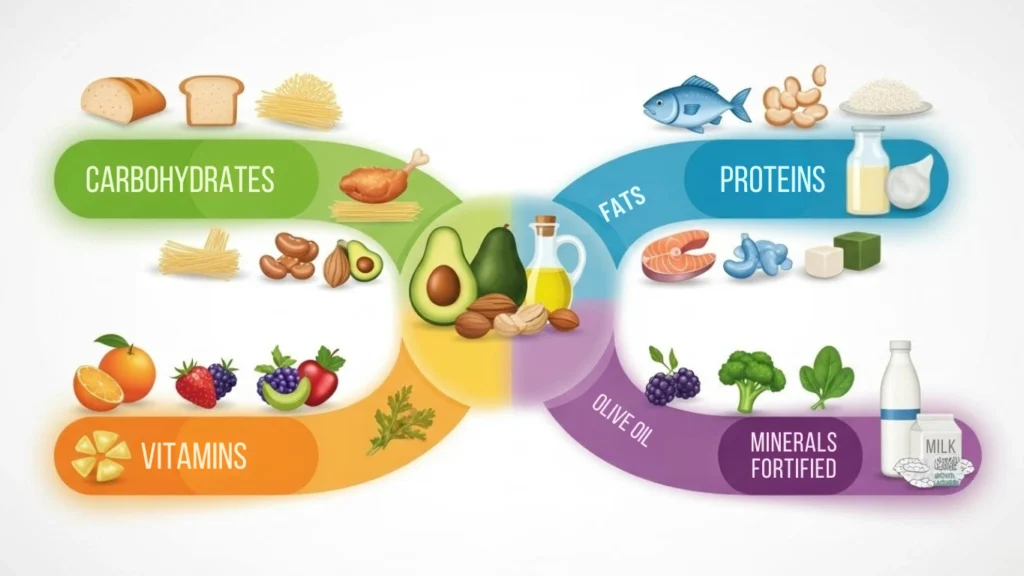
Because the body cannot store large amounts of vitamin C, a consistent daily intake is essential. The recommended daily allowance (RDA) for adults is generally 75 mg for women and 90 mg for men, with higher recommendations for smokers.
Top Food Sources
The best way to consume vitamin C is through a diet rich in fruits and vegetables. While citrus fruits are famous for their vitamin C content, many other foods offer even higher concentrations:
- Guava: One of the richest sources of vitamin C per serving.
- Bell Peppers: Especially red and yellow varieties, which contain more vitamin C than oranges.
- Kiwi Fruit: A single medium kiwi can provide your full daily requirement.
- Broccoli: Provides a significant amount of vitamin C, along with fiber and other antioxidants.
- Strawberries: A delicious way to boost your daily intake.
- Oranges and Other Citrus: The classic source that is readily available and easy to incorporate.
To Supplement or Not to Supplement
Most people can meet their vitamin C needs through diet alone. However, supplementation might be beneficial for individuals with dietary restrictions, malabsorption issues, or increased physiological stress. When choosing a supplement, look for simple ascorbic acid, which is highly effective and widely available.
Always consult with a healthcare professional before starting any new supplement regimen to ensure appropriate dosage and avoid potential interactions.
Conclusion
Vitamin C is a foundational nutrient that supports our body’s structure, defenses, and vitality at a cellular level. By understanding its scientific benefits and making conscious nutritional choices focusing on a colorful variety of fruits and vegetables you can effectively nurture your health and harness the full potential of this powerful vitamin.