


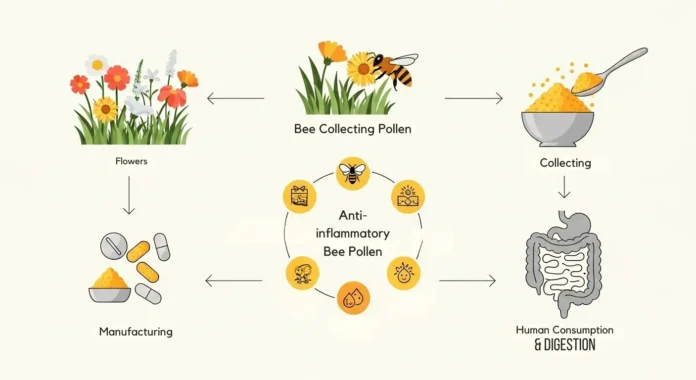
Bee pollen is gaining recognition in wellness circles due to its rich nutritional composition, featuring over 250 active substances including vitamins and minerals. Research suggests potential health benefits such as reducing inflammation, boosting immunity, and promoting liver health, although more human studies are needed to confirm these effects.
Bee pollen is considered one of nature’s most complete superfoods. These tiny granules contain an incredible array of vitamins, minerals, proteins, carbs and antioxidants that provide a wide variety of health benefits.
What is Bee Pollen
Bee pollen is a nutrient-rich substance collected by honeybees from flowering plants, which is then mixed with bee saliva and nectar. The bees carry these small granules back to the hive, where they serve as a primary food source for the colony. Often referred to as “nature’s multivitamin,” bee pollen contains a wide array of proteins, vitamins, minerals, and antioxidants. Its exact composition varies depending on the plant source.
Composition of Bee Pollen
Bee pollen contains a wealth of active substances, including:
- Over 250 substances, including proteins, carbs, lipids, fatty acids, vitamins, minerals, enzymes, carotenoids, bioflavonoids and phytochemicals.
- 22 amino acids: All 8 essential amino acids needed to support human life, as well as 14 non-essential ones. This makes bee pollen more amino acid-rich than traditional high protein foods like beef, eggs or cheese.
- 35 minerals: Major minerals like magnesium, calcium, phosphorus, potassium, sulfur, sodium, iron and zinc. Trace minerals like selenium, boron, silica, titanium, manganese and more. The full spectrum supports whole body health.
- 12 vitamins: Providing B-complex vitamins, pro vitamin A, vitamin C, vitamin D, vitamin E and vitamin K. The only vitamin not present is B12, which comes from animal sources.
- Over 5,000 enzymes: Enzymes are catalysts that support the thousands of chemical reactions constantly occurring throughout the body. They play important roles in digestion and metabolism.
This unique blend of complete nutrition in a single natural package is what gives bee pollen it’s powerful therapeutic properties.
Traditional and Modern Uses for Bee Pollen
Bee pollen has been valued since ancient times in Egyptian, Greek, Roman, and Chinese cultures for promoting vitality, strength, and longevity. Traditionally, it was used to boost energy, support the immune and digestive systems, protect organs, enhance athletic performance, and aid fertility.
Today, bee pollen is still used for many of the same reasons. Its antioxidants and anti-inflammatory compounds help protect against disease, support immune function, and fight fatigue and stress. It can improve digestion by supporting gut enzymes and healthy probiotics, and may help reduce seasonal allergies and improve respiratory health. Bee pollen is also linked to better exercise performance, reproductive wellness, brain function, and mood balance by supporting energy, focus, and cellular protection.
Top 10 Health Benefits of Bee Pollen
Thanks to it’s diverse nutritional content, bee pollen offers an astounding array of health benefits. Some of the top ways it can improve health include:
1. Disease-Fighting Antioxidant Protection
Many compounds in bee pollen have antioxidant and anti-inflammatory activity. Flavonoids, phenolic acids, phytosterols and enzymes act to neutralize harmful free radicals throughout the body.
This helps prevent chronic diseases, offers anti-aging effects, protects the brain and supports the optimal function of cells, tissues and DNA.
2. Powerhouse of Nutrition
Two tablespoons of bee pollen contain:
- 16 calories
- 10 grams carbs
- Less than 1 gram fat
- 2 grams protein
- 15% DV riboflavin
- 5-10% DV for thiamin, niacin, folate, magnesium, phosphorus, manganese, zinc
- Smaller amounts of other micronutrients
It packs more punch than many vitamin supplements thanks to it’s thousands of nutrient cofactors that enhance bioavailability.
3. Liver Support
The liver filters toxins and metabolizes nutrients. Bee pollen protects liver cells from damage, balances blood fats and stimulates regeneration of liver tissue. This helps optimize one of the most vital organs.
4. Energy and Endurance Boost
The B vitamins, amino acids and enzymes in bee pollen provide a natural increase in energy, mental clarity and physical health stamina. Compounds called nucleotide sugars are metabolized into energy molecules that power cellular functions.
Many athletes use bee pollen supplements before training or competition for a competitive edge.
5. Anti-Inflammatory Action
Compounds like gallic acid, phenolic acids, omega fatty acids, phospholipids and phytosterols reduce inflammatory chemicals. This helps a variety of inflammatory conditions, from gut disorders to joint issues or seasonal allergies.
6. Supports Cardiovascular Health
Reducing inflammation keeps arteries clear, while rutin and other bioflavonoids strengthen capillaries and enhance blood flow. Compounds called nitric oxides boost nitric oxide levels, improving circulation.
This provides cardioprotective effects by preventing plaque buildup and high blood pressure.
7. Immune Boosting Powers
With antioxidant, anti-inflammatory, antiviral and antibacterial properties, bee pollen protects against infections. Nutrients like vitamin C, zinc and B complex support optimal immune cell function for defense against pathogens.
It also contains compounds similar to cortisone that regulate immune factors behind autoimmune issues. This combination makes it a powerful immune modulator.
8. Digestive Aid
Enzymes like amylase, pectase and cellulase in bee pollen break down carbs, proteins and fats to improve digestion. It’s anti-inflammatory action also decreases gut irritation.
Rich nutrition helps support beneficial probiotic bacteria for a healthy microbiome. Better digestion and assimilation of nutrients benefits the whole body.
9. Brain Booster
The potent nutrition in bee pollen assists neurotransmitter production, nerve conduction and communication between brain cells. Flavonoids protect neurons from damage while enhancing learning, memory and mood.
Compounds like tryptophan support the feel good brain chemical serotonin. This makes it a useful brain supplement for many conditions.
10. Fertility Support
For both men and women, bee pollen provides reproductive health benefits. It stabilizes hormones, stimulates ovarian function, boosts sperm count, improves sperm motility and enhances libido and sexual performance.
The high nutrient content also primes the body for conception, pregnancy and lactation.
This impressive list of health benefits positions bee pollen as one of nature’s top superfoods for whole body wellness. It offers therapeutic value for a wide range of issues.
Bee Pollen vs. Honey vs. Bee Propolis vs. Royal Jelly
Bee pollen has been valued since ancient Egyptian, Greek, Roman, and Chinese times for promoting energy, vitality, and general wellness. Traditionally, it was used to support the immune system, digestion, physical strength, and reproductive health. Bee pollen is still appreciated for similar reasons. Its natural antioxidants and nutrients may help support immune function, reduce oxidative stress, aid digestion, and promote steady energy. Some people also use it for seasonal wellness, exercise performance, and overall cognitive and mood support.
How to Select High Quality Bee Pollen
As bee pollen grows in popularity, cheaply processed products with diluted nutrition are flooding the market. But with a few key tips, you can identify high quality bee pollen.
Here’s what to look for to maximize therapeutic results:
- Harvested from Organic Hives – Pollen from bees in chemically treated or populated areas contains less nutrients and more contaminants. Remote, high desert regions offer some of the world’s purest pollen.
- Harvest Technique – Pollen should be collected without disturbing hive productivity and health. Traps allow pollen to be gathered separate from honey.
- Freshness – Pollen oxidizes quickly. Granules should be harvested, cleaned and processed promptly, then frozen to lock in nutrition.
- Color – Vibrant yellow-orange to bright gold hues indicate polyphenol richness. Brown or green tints reflect oxidation or plant impurities.
- Taste, Texture & Aroma – Fresh bee pollen bursts with a sweet, floral taste and a pleasant scent of honey and nectar. The soft granules dissolve smoothly on the tongue.
- Lab Analysis – Reputable brands provide third party assays to verify active compounds and nutritional percentages. This ensures therapeutic dosing.
When pollen comes from natural sources using ethical practices, processed promptly for purity and potency with lab verification, you know it provides full spectrum nourishment.
Bee Pollen Serving Size, Dosage, Delivery Method
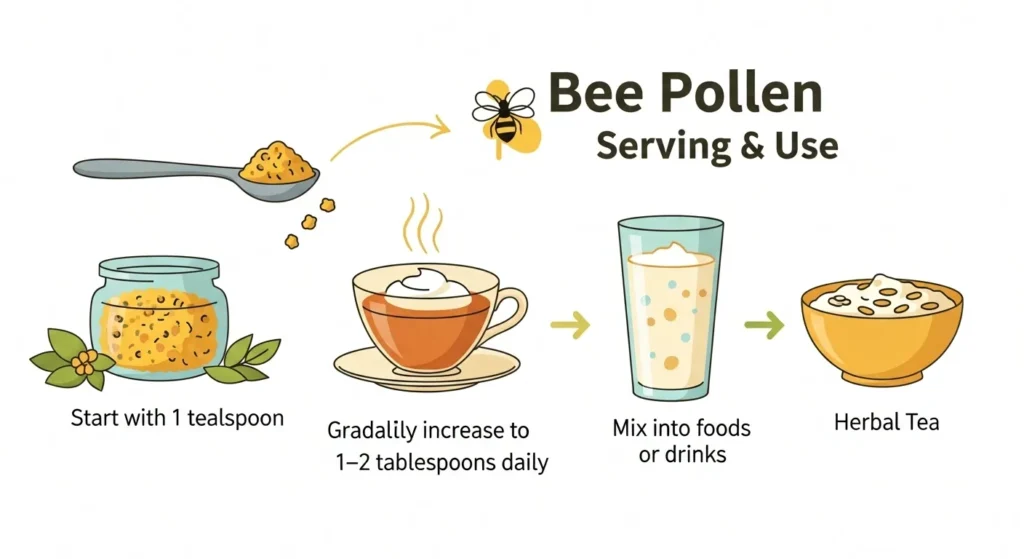
An optimal daily dose of high quality bee pollen ranges from 1-2 tablespoons or 15-30 grams. The granules can be eaten alone as a supplement. But straight pollen is quite strong tasting.
Most people prefer taking their daily dose mixed into sweet or acidic foods that disguise the intensity. Mix into:
- Yogurt, smoothies, protein shakes
- Oatmeal, chia pudding, yogurt and fruit bowls
- Raw honey, maple syrup, nut butter sandwiches
- Juices, milk, herbal tea
Start with 1 teaspoon daily and gradually increase over 2 weeks as the body acclimates to the potent nutrients. This allows stomach adjustment without adverse reactions.
Once at the full dose, cycle 5 days on, 2 days off to prevent dependence.
Is Bee Pollen Safe
For most people, bee pollen is very safe especially when used properly. But pollen does have allergenic proteins that may cause issues in those sensitive.
Use these precautions when taking bee pollen:
- Do an allergy patch test by placing a small amount on your forearm for 24-48 hours. If no redness or itching, it’s likely safe for you.
- Start with very small doses and slowly work upwards to give your body adjustment time.
- Drink plenty of water which dilutes the kidney excretion load.
- Don’t take bee pollen if you have an autoimmune condition, are pregnant/breastfeeding or regularly take other supplements or pharmaceuticals without medical approval.
- If any side effects occur like itching, headaches, nausea or diarrhea, stop immediately. Seek medical help for severe reactions.
Provided you don’t have a pollen allergy, follow appropriate dosing protocols, hydrate well and discontinue use if reactions appear, bee pollen is a safe supplement.
Bee Pollen Can Benefit Your Health From Head to Toe
Thanks to an incredibly broad spectrum of therapeutic nutrition, bee pollen benefits the body from head to toe. It provides antioxidants to protect cells, anti-inflammatories to soothe tissues, antimicrobials to assist immunity and nutrients to optimize organ function.
While clinical studies have demonstrated definitive effects on specific conditions, even more benefits are being uncovered through continued research. What we do know is bee pollen nourishes the body almost universally, making it a foundational element for enhancing and sustaining excellent health.
How to Use Bee Pollen for Different Health Goals
With such a wide range of therapeutic actions, bee pollen can be used to target specific health goals. Follow these guidelines to apply it’s nutritional powers strategically.
For Energy, Exercise Performance and Recovery
Athletes, busy professionals, those recovering from illness and anyone with fatigue issues needs consistent energy. Bee pollen energizes several ways:
- B vitamins convert food into glucose used directly for fuel
- Amino acids provide building blocks for neurotransmitters that power brain cell communication
- Minerals like magnesium and zinc support enzyme reactions that produce energy molecules like ATP
- Anti-inflammatories reduce immune activity which can sap energy reserves and cloud mental focus
Strategic Use:
- Take 2 teaspoons consistently in the morning with breakfast
- Add an extra dose 30-60 minutes pre-workout to heighten endurance during exercise
- Mix with a post-workout smoothie containing protein, carbs and antioxidants for optimal recovery
For Immune System Support
With antioxidant, anti-inflammatory and antimicrobial properties, bee pollen protects against infectious illness. It’s been studied clinically for these immune boosting effects:
- Less sick days and shorter symptom duration from cold and flu
- Decreased occurrences of illnesses like bronchitis
- Faster clearing of oral bacteria
- Improved antibody production and white blood cell function
- Enhanced effectiveness of vaccines
Strategic Use:
- Use bee pollen regularly for prevention by taking 1-2 teaspoons daily
- At first signs viral or bacterial threats like sniffles or sore throat, quickly increase dose to 1 tablespoon every 2-3 hours
- Combine with other immune boosting supplements like vitamin C, zinc, olive leaf extract or garlic
- Continue higher doses for 2 weeks after active infection clears to prevent relapse
For Seasonal Allergies
Bee pollen contains antioxidant bioflavonoids that stabilize mast cells to decrease allergy mediator release. Amino acids like proline also dampen histamine reactions.
Clinical trials demonstrate these effects for those with hay fever:
- Decreased inflammation of respiratory tissues
- Fewer allergy symptoms from eyes, nose, throat and lungs
- Less medication needed for relief
- Preventive ability if taken regularly before allergy season
Strategic Use:
- Start consuming 2 teaspoons daily at least 6 weeks before allergy season begins in early spring
- Continue throughout season to maintain histamine stabilization
- If pollen counts spike causing uncomfortable symptoms, increase intake to 1 tablespoon every 3 hours
- Combine with quercetin or butterbur supplements to block different allergy pathways
For Digestive Support
The proteases, amylase and cellulase enzymes naturally present in bee pollen break down proteins, carbs and fiber for better digestion and nutrient absorption. It’s antibacterial qualities keep bad gut bugs in check while nourishing good probiotic balance.
These digestive benefits have been verified in studies showing:
- Increased nutrient usage and growth in animals
- Accelerated healing of stomach and intestinal ulcers
- Relief from constipation and symptoms of irritable bowel syndrome
- Protective effects for stomach cells against ulcer-inducing bacteria like H. pylori
Strategic Use:
- Those with digestive issues like reflux, ulcers, IBS, frequent nausea or constipation can take 1-2 tablespoons twice daily with meals
- Improve digestive efficiency by chewing bee pollen granules thoroughly before swallowing
- Sweeten fermented foods like kefir, kimchi or beet kvass which enhance probiotic intake
For Brain Health, Mood and Focus
The wide array of B vitamins, amino acids, minerals, antioxidants and anti-inflammatories nourish the brain on multiple levels:
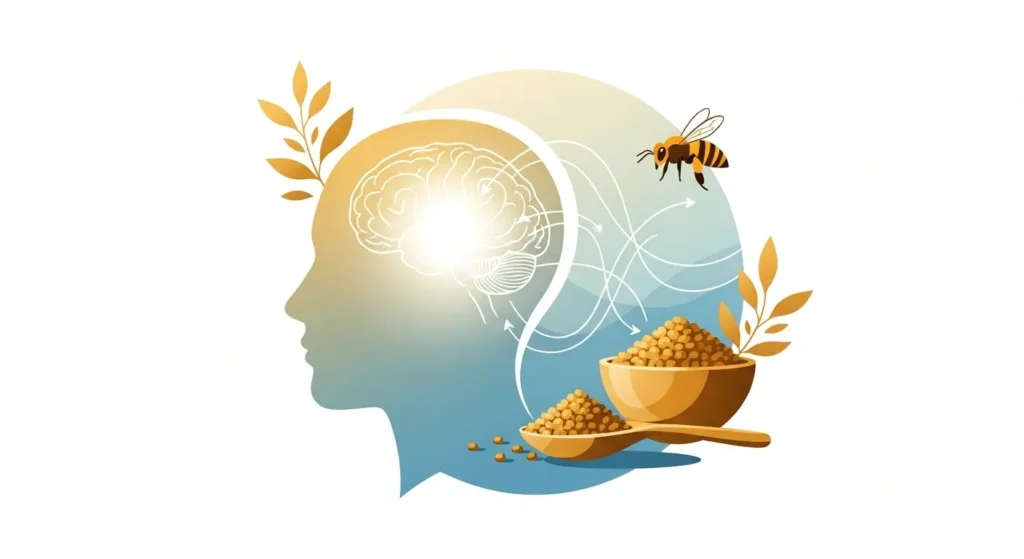
- Increased oxygen, glucose, nutrients and neurotransmitters fuel brain cell metabolism
- Compounds like glutamine feed the communication between neurons
- Bioflavonoids guard cell membranes from free radical damage
- Enhanced blood flow clears waste and keeps neurons active
Identifying High Quality Bee Pollen Granules
With the rising popularity of bee pollen, finding a high quality source is essential for therapeutic results. Top quality pollen exhibits these characteristics:
- Color: Fresh bee pollen should appear vibrant in shades of yellow, orange, or gold. Avoid dull brown or gray granules, as they may be old or oxidized.
- Texture: Quality pollen granules are smooth and slightly soft—not hard, overly dry, or powdery.
- Taste & Smell: Good bee pollen has a naturally sweet, floral taste and a pleasant honey-like aroma. Any sour or stale smell is a sign of poor quality.
- Storage: Bee pollen is perishable. It should be kept refrigerated or frozen to preserve nutrients. When stored cold, it can last up to a year; at room temperature, it loses quality quickly.
- Nutritional Verification: Trust brands that provide third-party testing to confirm amino acids, minerals, antioxidants, and enzyme levels.
Conclusion
Bee pollen is a naturally powerful superfood, delivering a comprehensive spectrum of nutrients that support and sustain optimal health. It offers a wide range of health benefits, from improving daily energy and strengthening the immune system to relieving seasonal allergies and aiding digestion. As a versatile and nutrient-dense supplement, bee pollen packs a serious punch for boosting overall vitality. By incorporating this gift from the industrious honeybee into your routine, you can tap into its natural perfection to support your body’s optimal functioning.